How Demand Forecasting Helps FMCG Companies Manage Cost Fluctuations in Asian Markets
Fast-moving consumer goods (FMCG) companies in Asia face constant pressure from changing consumer habits, rising input costs, and complex logistics. In such volatile markets, cost fluctuations can quickly impact profits. Demand forecasting helps companies plan ahead, reduce financial risks, and make smarter decisions about production, inventory, and distribution.
Inventory Optimization and Waste Reduction
One of the most visible benefits of demand forecasting is better inventory management. Accurate predictions prevent overstocking, which can increase storage, insurance, and obsolescence costs. For perishable products like food and beverages, excess stock can quickly spoil, causing financial losses. Forecasting aligns inventory levels with expected demand, minimizing waste, and reducing holding costs.
Production Planning and Cost Efficiency
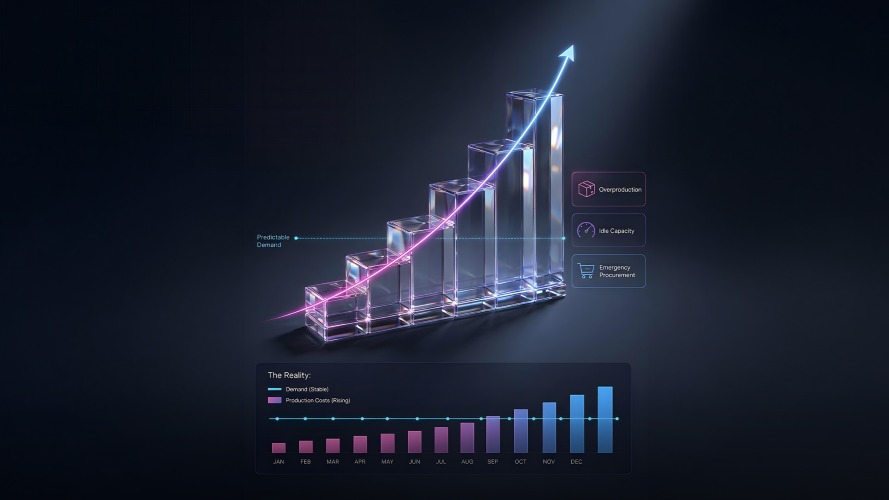
Demand forecasts also support smarter production scheduling. By knowing when demand is likely to rise or fall, companies can avoid overproduction during slow periods and expensive rush runs during peaks. This reduces extra costs for labor, energy, and urgent logistics, allowing firms to operate more efficiently and maintain stable margins.
Raw Material Procurement and Price Management
Raw material prices often fluctuate due to market conditions or supply disruptions. Forecasting allows purchasing teams to plan purchases in advance, buying the right quantities at stable prices. This prevents panic buying during shortages and helps control input costs, ensuring production remains cost-effective even during volatile periods.
Logistics and Distribution Planning
Efficient supply chains are critical in fast-paced Asian markets. By predicting demand, companies can plan deliveries and routes more effectively, reducing reliance on last-minute, expensive shipping. This lowers transportation costs, fuel usage, and delivery delays, keeping operations smooth and predictable.
Seasonal Demand and Promotional Planning
Festivals, holidays, and seasonal trends can create sudden spikes in demand. Forecasting helps companies prepare stock levels for these periods without overstocking year-round. It also enables better planning for promotions, avoiding both stockouts and leftover inventory after marketing campaigns, which reduces costs and improves profitability.
How Data-Driven Demand Forecasting Can Help Your Business
Modern forecasting leverages real-time data, AI, and predictive analytics to provide a more accurate picture of future demand. This approach helps businesses:
- Optimize inventory – keep stock levels aligned with actual demand to reduce waste and holding costs.
- Plan production efficiently – schedule manufacturing to match demand and avoid unnecessary expenses.
- Manage raw material costs – make smarter procurement decisions and prevent costly panic purchases.
- Streamline logistics – plan deliveries and routes to minimize urgent shipping and transport costs.
- Prepare for promotions and seasonal demand – maintain sufficient stock during peak periods without overstocking.
By integrating these insights into daily operations, FMCG companies can reduce costs, respond faster to market changes, and maintain stability in volatile Asian markets. Data-driven forecasting becomes a competitive advantage, helping businesses stay efficient and profitable.
How DigitRell’s Data Solutions Strengthen Demand Forecasting
Businesses struggle when their data is scattered or unclear. Yet accurate demand forecasting depends on clean, well-integrated data. DigitRell offers end-to-end data solutions that unify and organize data, so companies can make smarter forecasts and quicker decisions. Their services include building reliable data pipelines, secure warehousing, and real-time dashboards that show trends and patterns clearly. With these foundations in place, FMCG firms can apply advanced analytics to sales, inventory, and market data to predict demand more accurately. This improved visibility helps reduce excess stock, avoid spoilage, and plan logistics with greater confidence. By turning raw data into actionable insights, Digitrell helps businesses not just forecast demand but also adapt operations as markets shift, lowering costs and improving performance in volatile Asian FMCG environments.
Demand forecasting is a practical way for FMCG companies to manage costs, optimize operations, and plan market changes. With accurate forecasts, businesses can reduce waste, lower logistics, and production costs, and make informed decisions about inventory and procurement. Leveraging data-driven approaches and solutions like DigitRell’s, businesses in Asia can stay resilient, competitive, and profitable even amid fluctuating costs.